Eating to Help Lower Blood Pressure
AACKA's 7-Day Heart & Kidney-Friendly Meal Plan
High blood pressure (hypertension) is sometimes called a "silent" condition because you may feel perfectly well while your blood pressure is too high. For African and Afro-Caribbean communities, keeping blood pressure under control is particularly important. High blood pressure can place additional strain on the heart, blood vessels and kidneys, and over time it can contribute to kidney disease, heart disease and stroke.
The good news is that the food we eat can make a difference.
At AACKA - African & Afro-Caribbean Kidney Awareness, we believe healthier eating shouldn'tmean giving up the foods and flavours we love. Small, sustainable changes - particularly reducing salt and eating more vegetables, fruit, whole grains and minimally processed foods - can support healthier blood pressure.
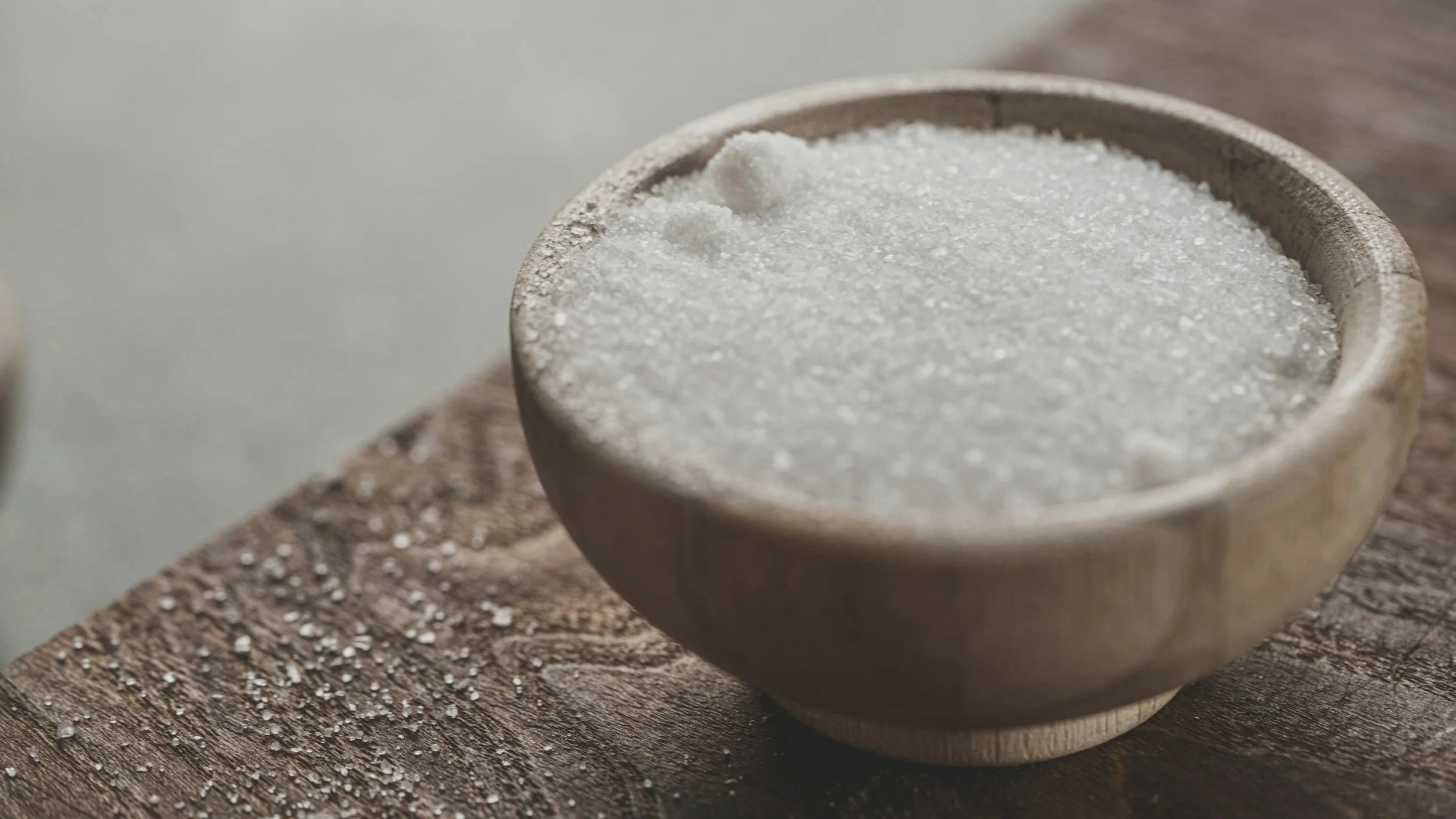
Start With Salt
One of the most important dietary changes for blood pressure is reducing salt. Adults in the UK should generally have no more than 6g of salt a day - approximately one teaspoon from all food and drink combined.
Try to reduce:
• Stock cubes and salty powdered seasonings
• Processed meats such as bacon, sausages and some deli meats
• Ready meals and takeaways
• Packet sauces and soups
• Salty snacks
• Soy sauce and other high-salt sauces
• Heavily salted Caribbean seasonings
Keep the flavour!
Reducing salt doesn't mean eating bland food. Experiment with garlic, onion, scallion, thyme, ginger, chilli, paprika, allspice, black pepper, lemon, lime and fresh herbs. When buying seasonings, check the label - salt can sometimes be one of the first ingredients.
AACKA's 7-Day Meal Plan
This plan takes inspiration from the principles of the DASH (Dietary Approaches to Stop Hypertension) eating pattern, which emphasises vegetables, fruit, whole grains, beans, nuts, fish and lower-fat dairy while limiting foods high in salt and saturated fat.
Monday
Breakfast: Porridge with blueberries, banana and cinnamon, topped with a small handful of unsalted walnuts.
Lunch: Wholemeal chicken wrap with avocado, lettuce, tomato and cucumber.
Dinner: Baked salmon, a small baked sweet potato, broccoli and green beans.
Tuesday
Breakfast: Two eggs with wholemeal toast, grilled tomatoes and avocado.
Lunch: Homemade lentil and vegetable soup with wholemeal bread.
Dinner: Jerk-style chicken using a low-salt or homemade salt-free seasoning, served with brown rice, cabbage and peppers.
Wednesday
Breakfast: Greek yoghurt with berries, oats and chia seeds.
Lunch: Tuna and bean salad with tomatoes, cucumber and spinach, dressed with olive oil and fresh lemon.
Dinner: Homemade turkey or lean-beef chilli with kidney beans and brown rice.
Thursday
Breakfast: Porridge with apple, cinnamon and unsalted walnuts.
Lunch: Leftover homemade chilli with a large mixed salad.
Dinner: Baked cod with new potatoes, peas, broccoli and carrots.
Friday
Breakfast: Scrambled eggs with mushrooms and spinach, served with wholemeal toast.
Lunch: Chicken and avocado salad with a portion of fruit.
Dinner: Homemade Caribbean-style chicken curry with brown basmati rice and steamed vegetables. Use herbs and spices generously while keeping added salt to a minimum.
Saturday
Breakfast: Greek yoghurt with banana, berries and a small handful of unsalted nuts.
Lunch: Baked sweet potato topped with tuna and sweetcorn, served with salad.
Dinner: Grilled salmon or chicken with roasted vegetables and a small portion of potatoes.
Sunday
Breakfast: Eggs, avocado and grilled tomatoes with wholemeal toast.
Lunch: Homemade vegetable and bean soup or leftover chicken salad.
Dinner: Roast chicken with potatoes, carrots, broccoli and cabbage. Make homemade gravy with little or no added salt rather than relying heavily on salty gravy granules or stock cubes.
What About Snacks?
If you're hungry between meals, healthier choices include:
• Fresh fruit or berries
• A small handful of unsalted almonds or walnuts
• Natural or Greek yoghurt
• Carrot and cucumber sticks
• Lower-salt hummus
• An apple with a small amount of unsalted nut butter
Make water your everyday choice. Tea and coffee can form part of a balanced diet, while sugary drinks and excessive alcohol are best limited.
Small Changes Can Add Up
You don't have to completely change the way you eat overnight. Start with something manageable. Could you use half the usual stock cube? Could you season your chicken with garlic, thyme, scallion, ginger, chilli and lime instead of reaching automatically for salt? Could you add another vegetable to tonight's dinner? Could you swap a processed lunch for something homemade a couple of days each week?
These small choices can become habits - and healthier habits can make a meaningful difference over time.
Know Your Numbers
High blood pressure often has no obvious symptoms, so don't wait until you feel unwell to have your blood pressure checked. Know your numbers and speak to a healthcare professional if your readings are consistently high. Protecting your blood pressure is also part of protecting your kidneys.
Important AACKA Health Information
This article provides general health and dietary information and is not a substitute for individual medical or dietetic advice. People living with chronic kidney disease (CKD), kidney failure, diabetes, heart disease or other medical conditions may have different dietary requirements. In particular, some people with kidney disease may need individual advice about potassium, phosphate, protein and fluid intake.
If you have kidney disease or have been advised to follow a restricted diet, please speak to your GP, kidney team or registered dietitian before making significant dietary changes.
AACKA - African & Afro-Caribbean Kidney Awareness
Raising awareness. Encouraging conversations. Supporting healthier communities.
